Table of Contents:
If you’ve ever tried to dig out a rake from a packed garage or tripped over garden tools, you already know why sheds exist. You don’t need less stuff, you just need a better way to organize it. The right shed can clear space, protect your gear from harsh weather conditions, and even give you a quiet corner to work or unwind.
In today’s world, there are a lot of shed types, and choosing one can feel overwhelming. Sheds are usually grouped by material, roof style, and intended use, and each group has distinct benefits depending on your space, budget, and plans. This guide breaks those choices into plain language so you can see what fits your yard and lifestyle.
Types of Sheds by Material
Before you think about doors or colors, start with the material. What you choose affects durability, maintenance, appearance, and how much you can customize things like windows, doors, and shelving.
Wood Sheds
Wood sheds stay popular because they look natural in a yard and are fairly easy to tweak. You can paint them, add decorations, or rework the inside with shelves, hooks, and lofts as your storage needs grow. The tradeoff is care: wood needs regular paint or stain to help prevent rot and mold.
Metal Sheds
Metal sheds feel more basic than wood but bring serious strength. Steel or aluminum panels don’t rot, pests ignore them, and they handle wind, rain, snow, and other extreme weather conditions with little effort. The shed style is plain, with a slight industrial look, yet it’s a low-maintenance choice for larger tools and machines that just need a dry, safe spot.
Vinyl (Plastic) Sheds
Vinyl sheds, also called resin or plastic sheds, are the easiest to live with. The panels don’t absorb moisture, insects don’t bother them, and you never have to paint. They’re moisture-, insect-, and rot-resistant, making them a versatile and affordable option. Most arrive as simple kits, and plastic sheds are gaining popularity because they offer long-lasting, low-maintenance storage for bins, toys, and seasonal items. If you want something light, tidy, and low-cost, this is your pick.
Types of Sheds by Roof Style
Once you’ve picked a material, the roof shape is the next big decision. Roof style isn’t just about looks. It affects how rain and snow drain, how tall the shed feels inside, and how well it fits next to your house or fence.
Lean-To Shed Roof
A lean-to roof slopes one way and fits neatly beside fences, garages, or other walls. It’s a simple shape that works well for tight spots or small backyards and is often attached to existing structures. Lean-to sheds are perfect for small storage like bins, yard tools, or bikes you want quick access to.
Gable Roof on A-Frame Sheds
A gable shed has the classic house-style roof with two sloped sides that meet in the middle. This style provides good water and snow drainage and gives you enough headroom to store tall items. A-frame sheds that use this roof are popular because they’re simple, affordable, and complement many home styles.
Gambrel (Barn Style) Roof
A gambrel roof looks like an old-fashioned barn. Each side bends twice, which leaves extra room up top for boxes or supplies you don’t use every day. Barn-style sheds with this roof have rustic charm as well as practicality, especially if you want a shed that feels a bit like a small barn storage shed.
Flat Roof
Flat roofs suit modern sheds or yards where height might block the view. They’re simple, low, and sleek, which is handy near fences or patios. Flat roofs also make it easier to add more features like narrow transom windows or skylights if you want extra natural light inside.
Types of Architectural Shed Designs
After you choose the material and roof shape, you can think about the style. Design details change how the shed looks from the house and how much you can dress it up with plants or lights. You can keep it a simple shed that blends in, or pick something with an elegant exterior that invites you to add decorations and make it feel like part of your outdoor space.
Modern
Modern sheds are all about clean lines and a minimalist design. Large windows and a tidy outline make them feel more like a small room than a storage box. They’re great for hobbies, art studios, or she sheds where light matters and clutter doesn’t. Modern sheds with a rectangular shape fit smaller yards easily and keep the look simple.
Craftsman
Craftsman sheds feature smooth roof lines, wide trim, and elegant trim accents around doors and windows. Many have French doors or glass panes to bring in more light. The result is an elegant exterior that boosts curb appeal while still providing ample space that’s actually useful.
New England/Victorian
If charm is your thing, this style fits. New England and Victorian sheds borrow from old England shed designs, with small porches, shutters, and layered trim. These style sheds create a cozy, storybook feel that looks right at home beside gardens or patios.
Saltbox/Quaker Style
Saltbox and Quaker sheds have a taller front wall and a shorter back, so one side of the roof is higher than the other. That unique roof design leaves a little extra room for shelves along the front wall. The country-style look brings quiet charm that works in both suburban and rural yards.
Types of Sheds by Intended Use
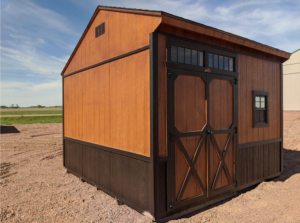
Sheds can serve many roles. Some are for storage, some are for work, and some feel more like recreational spaces. Thinking about how you’ll use the building helps you match the design to your everyday life.
Storage Sheds/Tool Sheds
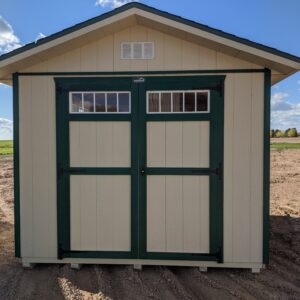
Storage sheds are built to store tools, lawn equipment, and seasonal items in one safe place. Tool sheds give you a protected spot to organize yard and maintenance tools instead of leaving them in piles. A setup with double doors, a ramp, and sturdy shelving gives you ample storage space and easy access, even if the shed footprint stays modest.
Garden Shed or Garden Potting Sheds
Garden sheds keep soil, fertilizer, pots, and hoses right where you need them. Garden potting sheds are tailored for gardening enthusiasts and often include windows, a small work surface, and space for gardening tools and supplies. Keeping everything in one spot makes yard work simpler and less messy.
Utility Sheds
Utility sheds are versatile storage buildings for bikes, camping gear, snow blowers, or bins of seasonal decorations. With shelves and hooks, you’ll still have room to move around. Many families also treat part of a utility shed as a small workshop shed, with a basic workbench and a few outlets for power tools. It’s a practical solution when you want one building to cover many storage needs.
Cabin Sheds, Studio Sheds, and Home Office Sheds
Cabin sheds are perfect when you want a little more comfort. They can serve as reading nooks, man cave setups, or cozy hangouts that feel more relaxed than the main house. Studio sheds are designed for active uses like home offices or art studios, where light, quiet, and room to spread out all matter. When you finish the inside with insulation, power, and a bit of decor, home office sheds become quiet workspaces that sit just far enough from the house to help you focus.
Garage-Sheds and Hybrids
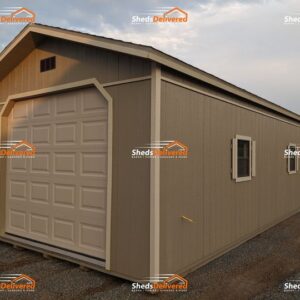
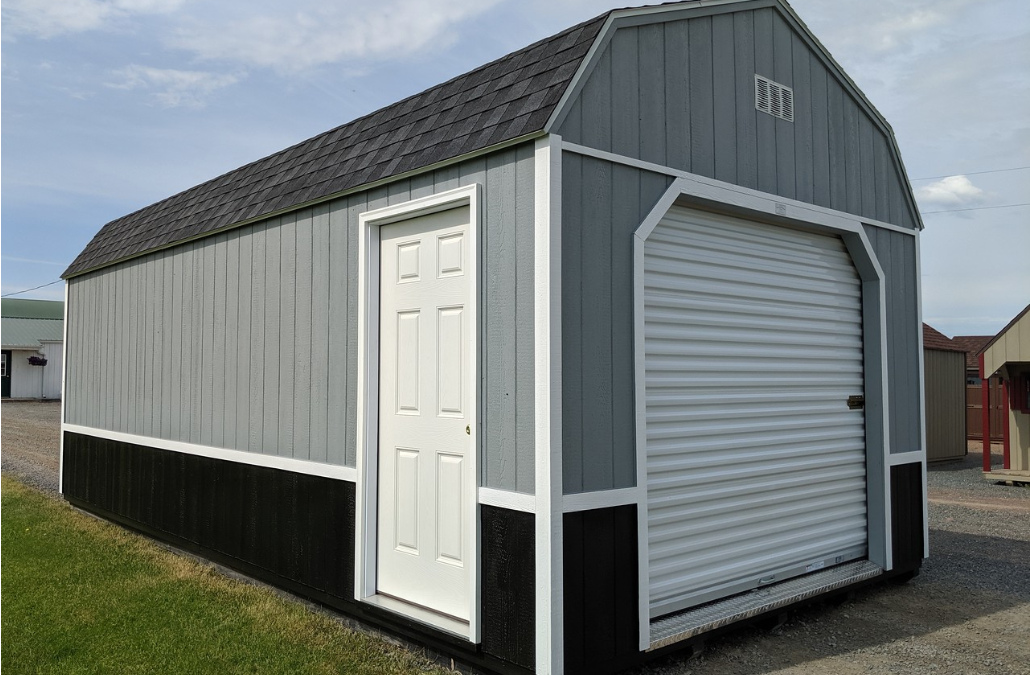
Garage sheds and hybrids handle heavier gear like tractors, side-by-sides, or large mowers. They’re built stronger than typical storage sheds and often have taller walls or reinforced floors. This type is ideal for storing larger items that you want close by but not sitting in the driveway or crowding your attached garage.
Greenhouse Shed and Animal Shelters with Natural Light
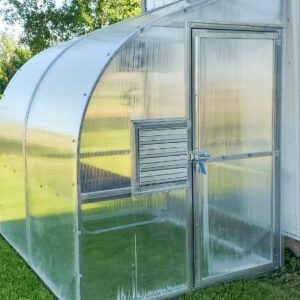
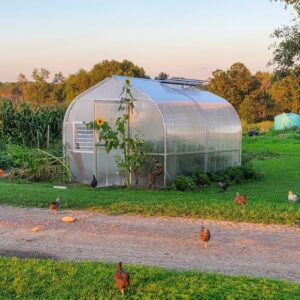
Greenhouse sheds make growing plants easier year-round. They use clear panels or skylights to let in light and warmth and usually include shelves for trays and pots. Animal shelters from sheds are designed for pets or small livestock, with vents, windows, and wide doors that make it easy to clean, feed, and move animals in and out. Good airflow and accessibility matter more here than fancy trim.
How to Choose the Right Shed Type
With so many shed types on the market, it helps to follow a simple checklist instead of guessing. When you choose a shed, think about how you’ll use it and let that guide the size and design.
Assess Your Needs
Think about what you’re storing and how you’ll use the space. Do you only need a spot for tools, or do you want room for projects too? The size of the shed should match the amount of storage space you need now, with a little room for later. That answer shapes nearly every other decision.
Consider Location & Space
Walk your yard and picture where the shed will go. Pick a location that drains well and leaves space to walk around the walls. Make sure there’s room to swing the doors open or roll in a mower without tight turns. Even a simple shed works better when the placement feels natural.
Material Selection
Match the material to your climate and habits. Wood looks classic and is easy to customize, but it needs regular care. Metal is strong, resists rot and pests, and lasts through rough weather with little effort. Vinyl sheds stay neat with almost no maintenance. The material you choose will affect how long the shed lasts and how it looks over time.
Budget Planning
Set a budget that includes the shed, the base, and add-ons like ramps or shelving. If paying upfront isn’t ideal, rent-to-own options let you spread out costs while still getting extra storage right away. Sometimes a slightly larger model that offers more features ends up being a better value than the smallest option.
Check Local Regulations
Before you buy, check your city’s zoning and building rules. Some areas limit shed height, distance from fences, or total size, and certain neighborhoods may limit how much you can customize the exterior. Local building regulations can affect everything from where the shed sits to what roof you can choose, so sorting it out early saves headaches later.
Think About Long-Term Use
Try to picture what life looks like a few years down the road. Maybe you’ll need more space, or your hobby will grow into something bigger. Picking a shed that can shift from storage to a hobby space or small workshop gives you more options later. A flexible design can even grow into a full backyard retreat if you decide to finish the inside later on.
Many Homeowners Find the Perfect Shed at Sheds Delivered
Sheds Delivered builds high-quality sheds for real people across Wisconsin, Minnesota, the Upper Peninsula of Michigan, and nearby areas. You’ll find something that fits your yard and your plans, no matter if you’ve been eyeing cabin sheds, garage sheds, utility sheds, or greenhouse sheds. Visit Sheds Delivered today and start choosing the perfect shed that finally matches your life.